


MMOEXP POE2:Path of Exile 2: Checkpoints Keep Combat Flowing
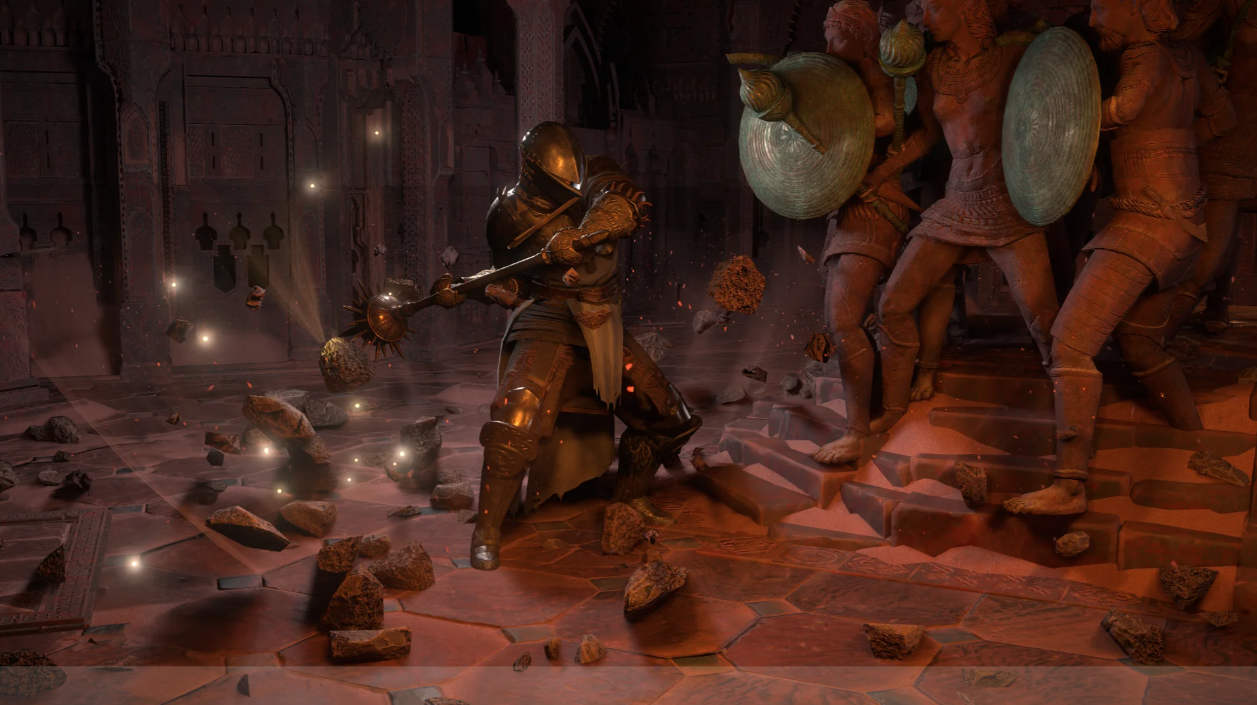
In action role-playing games, pacing is everything. Players want intense combat, meaningful progression, and minimal downtime between encounters. One of the smartest quality-of-life improvements introduced in Path of Exile 2 is its expanded checkpoint system. While it may seem like a POE 2 Currency small feature at first glance, checkpoints dramatically improve the flow of gameplay and reduce the frustration that can come from repeated backtracking.
Developed by Grinding Gear Games, Path of Exile 2 aims to refine the core experience of the original game while modernizing many of its mechanics. Checkpoints are a perfect example of this design philosophy: they preserve the challenge of the game while respecting players’ time.
Less Backtracking, More Action
In many classic ARPGs, dying during a difficult fight or deep inside a dungeon often meant restarting from a distant waypoint or town. Players would then need to fight through the same enemies again or spend several minutes simply running back to where they died. While this system added tension, it also created unnecessary downtime.
Path of Exile 2 solves this problem by placing checkpoints at key points within zones and major encounters. When a player dies or needs to retry a fight, they can respawn much closer to the action. This change keeps players engaged and focused on learning the mechanics rather than repeating long stretches of gameplay.
The result is a smoother, more modern experience that keeps momentum high throughout the adventure.
Encouraging Experimentation
Another benefit of checkpoints is the freedom they give players to experiment. In a game with deep build systems, dozens of skill gems, and countless equipment combinations, players often want to test different strategies during tough encounters.
Without checkpoints, experimentation can feel risky because every failure might require a long run back to the boss or challenge area. With checkpoints nearby, players can quickly retry fights while adjusting their tactics. This encourages creativity and helps players better understand how their character builds function in real combat situations.
Instead of playing cautiously out of fear of wasting time, players can engage more confidently with the game’s systems.
Making Boss Fights More Enjoyable
Boss battles are a major highlight of Path of Exile 2. The sequel introduces more cinematic and mechanically complex bosses that require movement, timing, and awareness. Players are expected to learn attack patterns, dodge dangerous abilities, and adapt their strategies mid-fight.
Checkpoints make this learning process much more enjoyable. When players fail during a boss fight, they can quickly jump back into the encounter rather than repeating the entire area leading up to it. This design allows players to focus on mastering the fight itself instead of dealing with repetitive content.
As a result, boss encounters feel like skill challenges rather than endurance tests.
Respecting Players’ Time
Modern players often have limited gaming sessions, and systems that reduce unnecessary delays can make a huge difference. Checkpoints help ensure that every minute spent in the game is meaningful.
Whether someone is exploring a dungeon, pushing through a difficult campaign area, or learning a new boss fight, the checkpoint system keeps them moving forward without wasting valuable time. It’s a subtle but powerful improvement that shows thoughtful design.
A Better ARPG Experience
The checkpoint system in Path of Exile 2 demonstrates how small changes can significantly improve gameplay. By reducing backtracking, encouraging experimentation, and improving boss encounters, checkpoints help maintain the fast-paced excitement that defines great ARPGs.
In a cheap POE 2 Exalted Orbs game filled with deadly monsters and challenging battles, checkpoints ensure that every setback is simply another opportunity to jump back in and try again—without the frustration of lost time.

 English
 Arabic
 Spanish
 Portuguese
 Deutsch
 Turkish
 Dutch
Dutch
 Italiano
 Russian
 Romaian
 Portuguese (Brazil)
 Greek
Greek