


The Salty Secret Ingredient That Chefs Use to Finish Seafood Dishes
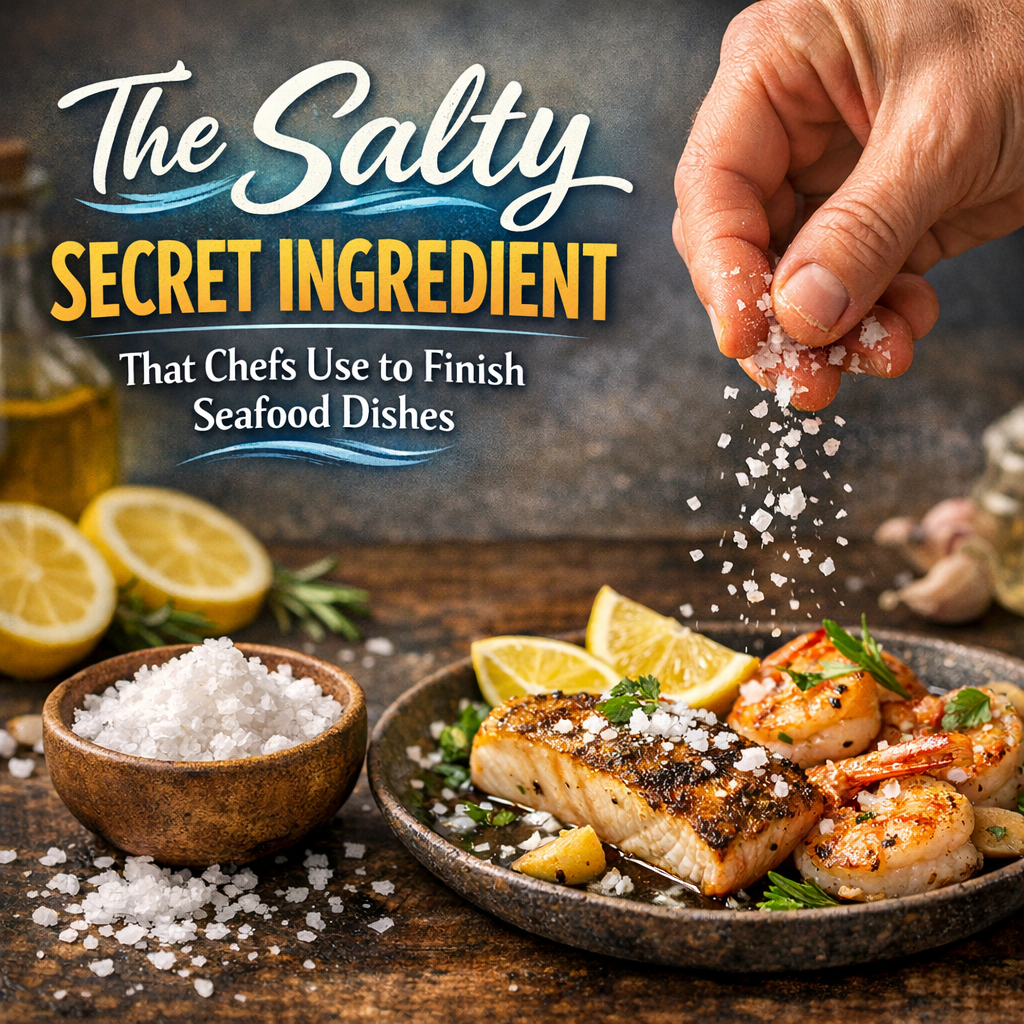
If you have ever dined at a high-end Mediterranean restaurant, you have likely experienced a seafood dish that seemed to possess an indescribable "spark." It wasn't just the freshness of the fish or the quality of the salt; it was a specific, sharp flavor profile that cut through the richness of the butter or oil. That secret ingredient is the humble caper. While often overlooked in the average home pantry, professional chefs consider capers an essential tool for balancing flavors. Whether used to brighten a rich pasta sauce, blended into a savory tapenade, or paired with premium tinned tuna, these tiny green buds are the floral, salty powerhouse your kitchen has been missing.
What Exactly Are Capers?
Before we discuss how to cook with them, it is important to understand what they are. Capers are the unripened flower buds of the Capparis spinosa bush. This rugged plant grows wild across the rocky terrain of the Mediterranean, thriving in the harsh sun and salty sea air. The buds are harvested by hand-a labor-intensive process-and then cured in salt or brine.
This curing process is transformative. It turns a bitter, inedible bud into a savory flavor bomb packed with capric acid. Because they are preserved, they have an incredible shelf life. A single jar of capers can sit in your fridge for months, ready to save a bland meal at a moment's notice.
The Science of Pairing: Why It Works with Fish
Culinary science dictates that the human palate craves balance. When you eat a rich, fatty dish-such as a seared salmon filet, a creamy chowder, or a high-quality oil-packed tinned tuna-your tongue gets coated in fat. While delicious, this richness can become overwhelming after a few bites. To cleanse the palate and make the next bite taste just as good as the first, you need acid and salt.
Capers provide both in a single package. They offer a burst of brine that mimics lemon juice but adds a unique floral complexity. This is why you will almost always see capers paired with tinned tuna in classic French and Italian recipes. The savory, meaty texture of the fish is perfectly offset by the sharp "pop" of the caper berry. It creates a harmony of flavors that makes a simple tuna salad taste expensive and chef-curated.
The Chef’s Trick: Frying for Texture
One of the best-kept secrets in professional kitchens is the art of frying capers. While they are delicious straight from the jar, frying them changes the game entirely, turning them into a crispy garnish that adds crunch to soft seafood dishes.
To do this at home:
- Drain and Dry: Remove a handful of capers from the jar and pat them thoroughly dry with a paper towel. This is crucial to prevent the oil from splattering.
- Heat the Oil: Heat a generous amount of the best extra virgin olive oil in a small skillet over medium-high heat.
- Fry: Toss the buds into the hot oil. Fry them for about 2-3 minutes. You will see them "bloom" open like tiny flowers and turn a golden brown.
- Drain: Remove them with a slotted spoon and let them drain on a paper towel.
These crispy buds can be scattered over roasted cod, grilled scallops, or even a simple risotto. The best extra virgin olive oil infuses the caper with a fruity note, while the heat mellows out the intense vinegar brine, leaving a nutty, salty crunch.
Beyond the Filet: Versatility in the Pantry
You don't need a fresh catch of the day to use this ingredient. Capers are incredibly versatile and can elevate everyday cooking. One of their most popular uses is in tapenade.
Tapenade is a Provençal spread made from puréed black olives, capers, and anchovies. It is the ultimate "umami bomb." If you enjoy the flavor profile of capers but want a spreadable consistency for sandwiches or crostini, tapenade is the answer. You can make a homemade version by blending these ingredients with olive oil, or keep a high-quality jar of pre-made tapenade in the fridge for instant appetizers.
Conclusion
If your homemade seafood dishes have been feeling flat or one-dimensional, the solution is likely sitting in a small jar on the grocery shelf. By incorporating capers into your cooking-whether raw in a salad with tinned tuna or fried as a crispy garnish-you unlock a layer of sophistication that brings the Mediterranean coast straight to your kitchen table. It is a small investment that delivers a massive return on flavor.

 English
 Arabic
 French
 Spanish
 Portuguese
 Deutsch
 Turkish
 Dutch
Dutch
 Italiano
 Russian
 Romaian
 Portuguese (Brazil)