


The Best Gluten Free Pasta Brands for Texture and Taste: A 2026 Review
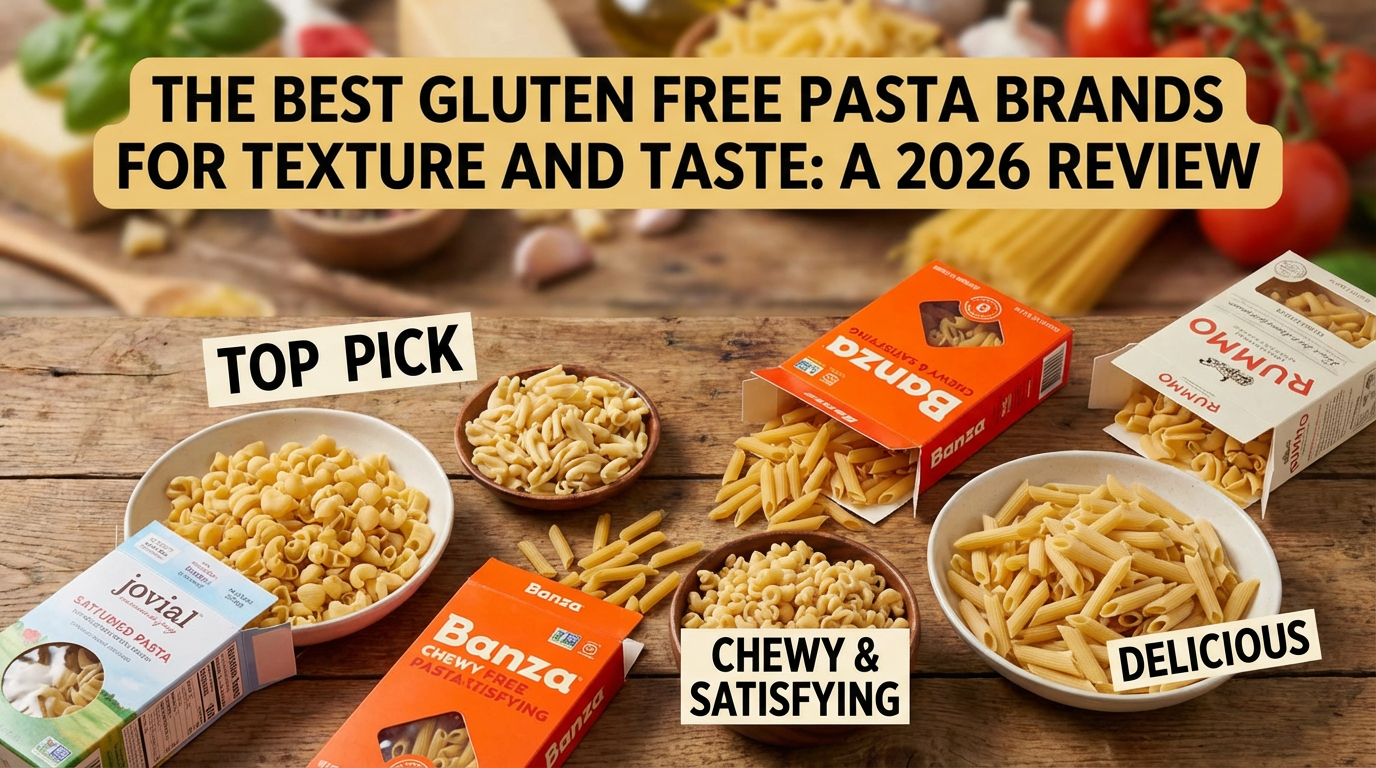
For decades, those with dietary restrictions faced a grim reality when it came to Italian cuisine. Alternatives to traditional wheat-based noodles were often gummy, disintegrated upon hitting boiling water, or tasted overwhelmingly like cardboard. Fortunately, food technology and artisanal dedication have converged to create a new era of grain-free gastronomy. Today, removing wheat from your diet no longer means sacrificing the joy of a perfect al dente bite.
The Evolution of Grain Alternatives
The market for gluten free pasta has exploded, moving far beyond the basic corn and rice blends of the past. In 2026, the best brands are utilizing complex blends of flours including brown rice, quinoa, chickpeas, lentils, and even yellow peas.
- Corn and Rice Blends: These remain the most similar to traditional wheat in terms of color and neutral flavor. They are excellent for picky eaters or children who are sensitive to texture.
- Legume-Based (Chickpea/Lentil): These varieties pack a nutritional punch, offering high protein and fiber. They have a slightly earthier taste and a firmer texture, making them ideal for heavy, hearty sauces.
- Brown Rice: Whole grain brown rice noodles offer a nutty flavor profile and hold up well to baking, making them the top choice for casseroles or pasta bakes.
Texture: The Ultimate Test
The primary complaint regarding wheat-free noodles is the texture. The key to success lies not just in the brand you choose, but in how you cook it. Unlike wheat pasta, which is forgiving, wheat-free versions release a significant amount of starch.
To ensure the perfect texture:
- Use a large pot: You need a high water-to-pasta ratio to dilute the starch.
- Salt heavily: Since the grains are often milder, the water needs to be sea-salty.
- Taste early: If the package says 10 minutes, start tasting at minute 8. There is a fine line between al dente and mushy.
- Save the pasta water: The starchy water is liquid gold for emulsifying your sauce.
Pairing Sauces with Wheat-Free Noodles
Because these noodles can have slightly different surface textures, pairing them with the right condiment is essential.
A dense, rich tapenade is a fantastic companion for corn or rice-based spaghetti. The olive paste clings to the strands, providing moisture and intense savory flavor without weighing the noodles down. Since wheat-free options can sometimes feel "dry" faster than wheat pasta, oil-based sauces work wonders.
A generous amount of premium extra virgin olive oil, garlic, and chili flakes (Aglio e Olio) works beautifully with chickpea pasta. The oil coats the protein-rich noodles, creating a silky mouthfeel that masks any graininess.
Quick Gourmet Ideas
For a meal that feels luxurious but takes minutes, boil your preferred legume penne. While it cooks, mix a sauce of olive oil, lemon juice, chopped parsley, and capers. Toss the hot pasta directly in the bowl with this mixture. The heat of the pasta will release the aroma of the herbs and the brine of the buds, creating a fresh, zesty dinner that feels light on the stomach but heavy on satisfaction.
Conclusion
Navigating the world of dietary restrictions is easier than ever before. The gap between "real" pasta and the alternatives has closed significantly. by selecting high-quality artisan brands and pairing them with rich, flavorful ingredients, you can create bowls of comfort food that everyone at the table will enjoy, regardless of their dietary requirements.

 English
 Arabic
 French
 Spanish
 Portuguese
 Deutsch
 Turkish
 Dutch
Dutch
 Russian
 Romaian
 Portuguese (Brazil)
 Greek
Greek