


Mandala Wall Art: Transforming Spaces with Beauty and Balance
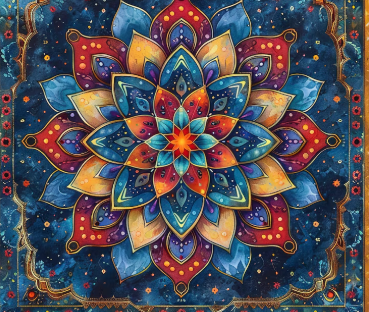
In recent years, interior design has shifted from mere functionality to creating spaces that inspire, uplift, and soothe. Among the various décor trends that have gained immense popularity, mandala wall art stands out as a unique and versatile choice. Combining intricate patterns, spiritual symbolism, and aesthetic appeal, mandala wall art can transform any room into a haven of creativity, peace, and positive energy.
What is Mandala Wall Art?
The term "mandala" comes from the ancient Sanskrit word meaning "circle." In many spiritual traditions, especially in Hinduism and Buddhism, mandalas represent the universe, unity, and balance. They often feature symmetrical patterns radiating from a central point, symbolizing the harmony between mind, body, and spirit.
Mandala wall art refers to artistic representations of these circular patterns, designed specifically for home or office décor. They can be painted on canvas, printed on posters, carved into wood, or even created using metal and other materials. Each mandala tells a story, making it both a decorative piece and a meaningful expression of inner harmony.
The Symbolism Behind Mandala Designs
Mandalas are not just visually appealing—they carry deep symbolic significance. Every element of a mandala, from its shapes and lines to its colors, conveys meaning:
- Circles: Represent unity, eternity, and completeness.
- Squares and geometric shapes: Often symbolize stability and grounded energy.
- Lotus motifs: Signify spiritual awakening and purity.
- Colors: Each color in a mandala holds its own significance—blue often symbolizes calmness and truth, red represents passion and energy, and green denotes balance and growth.
When you choose mandala wall art, you’re not just selecting décor; you’re inviting mindfulness and positive energy into your living space. The intricate designs encourage introspection and meditation, creating an environment that nurtures mental and emotional well-being.
Popular Types of Mandala Wall Art
One of the reasons mandala wall art is so popular is its versatility. It can suit a wide range of décor styles—from modern minimalism to bohemian chic. Here are some of the most common types:
- Canvas Paintings
Canvas mandala art is perfect for creating a focal point in any room. Artists use vibrant colors, metallic accents, or watercolor techniques to bring the design to life. - Wall Decals and Stickers
For a more temporary or flexible option, mandala wall decals are easy to apply and remove. They’re ideal for renters or anyone who likes to change their décor frequently. - Wooden Mandalas
Laser-cut wooden mandalas add texture and dimension to walls. They bring a natural, earthy feel, blending beautifully with rustic or boho interiors. - Metal Mandala Art
Metal mandala sculptures or wall hangings offer a modern, minimalist approach. These pieces reflect light, adding depth and intrigue to your walls. - Tapestries
Mandala tapestries are versatile and can double as wall hangings, bedspreads, or even yoga mats. They infuse a room with vibrant color and artistic energy.
Benefits of Incorporating Mandala Wall Art
Decorating with mandala wall art goes beyond aesthetics. The presence of mandalas can influence mood, creativity, and even stress levels. Here’s how:
- Promotes Relaxation and Mindfulness
Looking at a mandala or creating one in art therapy can reduce stress and induce a meditative state. The repetitive patterns draw your attention inward, allowing your mind to focus and unwind. - Enhances Creativity
Mandala art encourages exploration of shapes, colors, and patterns, stimulating creativity. Even a room adorned with mandala art can inspire new ideas and a sense of imagination. - Balances Energy in a Space
Many believe that mandalas help balance the energy of a room. Feng Shui enthusiasts often use mandala designs to promote harmony, peace, and a sense of unity in a living or working space. - Adds Unique Personality to Interiors
No two mandalas are exactly alike. Their intricate designs can serve as conversation starters and express the homeowner’s artistic sensibilities.
How to Choose the Right Mandala Wall Art
Selecting mandala wall art requires more than picking a design you like. Consider these tips to ensure the piece complements your space:
- Scale and Size
Large mandala pieces work well as focal points in living rooms or bedrooms, while smaller designs are perfect for accenting hallways, bathrooms, or office spaces. - Color Palette
Choose colors that match your existing décor. Warm tones like red, orange, and yellow can energize a space, while cooler shades like blue and green create calm and serenity. - Material and Texture
Think about the feel you want to achieve. Canvas provides a traditional artistic look, while metal or wood adds texture and depth. - Style Compatibility
Mandala wall art can complement various design styles—bohemian, minimalist, eclectic, or modern. Ensure your choice aligns with the overall aesthetic of your space. - Spiritual Significance
If you’re drawn to the spiritual aspect of mandalas, consider designs that incorporate traditional symbols like the lotus, sun, moon, or chakras to enhance personal meaning.
Where to Place Mandala Wall Art
Placement can significantly impact the visual and energetic effect of your mandala wall art. Popular spots include:
- Living Room: Over the sofa or fireplace to create a central point of focus.
- Bedroom: Above the bed to promote relaxation and restful sleep.
- Meditation or Yoga Room: Near your practice area to enhance mindfulness and concentration.
- Home Office: On a wall you frequently face to boost creativity and calm during work.
Mandala wall art can also be used in hallways, entryways, or dining rooms to add vibrancy and visual interest without overwhelming the space.
DIY Mandala Wall Art Ideas
For those who enjoy hands-on creativity, making your own mandala wall art can be deeply satisfying. Popular DIY approaches include:
- Painting or Drawing: Use acrylics, watercolors, or markers to create intricate mandala designs on canvas or paper.
- String Art: Arrange nails on a wooden board in circular patterns and use colored string to form mandala shapes.
- Stencil Art: Use mandala stencils to paint precise designs on walls, furniture, or fabric.
- Mixed Media: Combine materials like beads, fabric, or metal to craft three-dimensional mandalas.
DIY mandalas not only personalize your space but also provide a meditative and creative experience.
Conclusion
Mandala wall art is more than just decoration—it’s a fusion of art, spirituality, and design that enhances both the aesthetics and energy of your living space. Whether you choose a bold canvas painting, a delicate wooden carving, or a vibrant tapestry, mandalas offer a timeless appeal that transcends trends. They encourage mindfulness, creativity, and balance, making your home or office a place of beauty and serenity.
Incorporating mandala wall art into your décor is a celebration of color, geometry, and meaning—a reminder that art has the power to inspire, transform, and heal. From minimalist designs to elaborate, intricate patterns, there’s a mandala wall art piece out there to reflect your personal style and uplift your space.

 English
 Arabic
 French
 Spanish
 Portuguese
 Deutsch
 Turkish
 Italiano
 Russian
 Romaian
 Portuguese (Brazil)
 Greek
Greek