


How Much Does The Average House Renovation Cost?
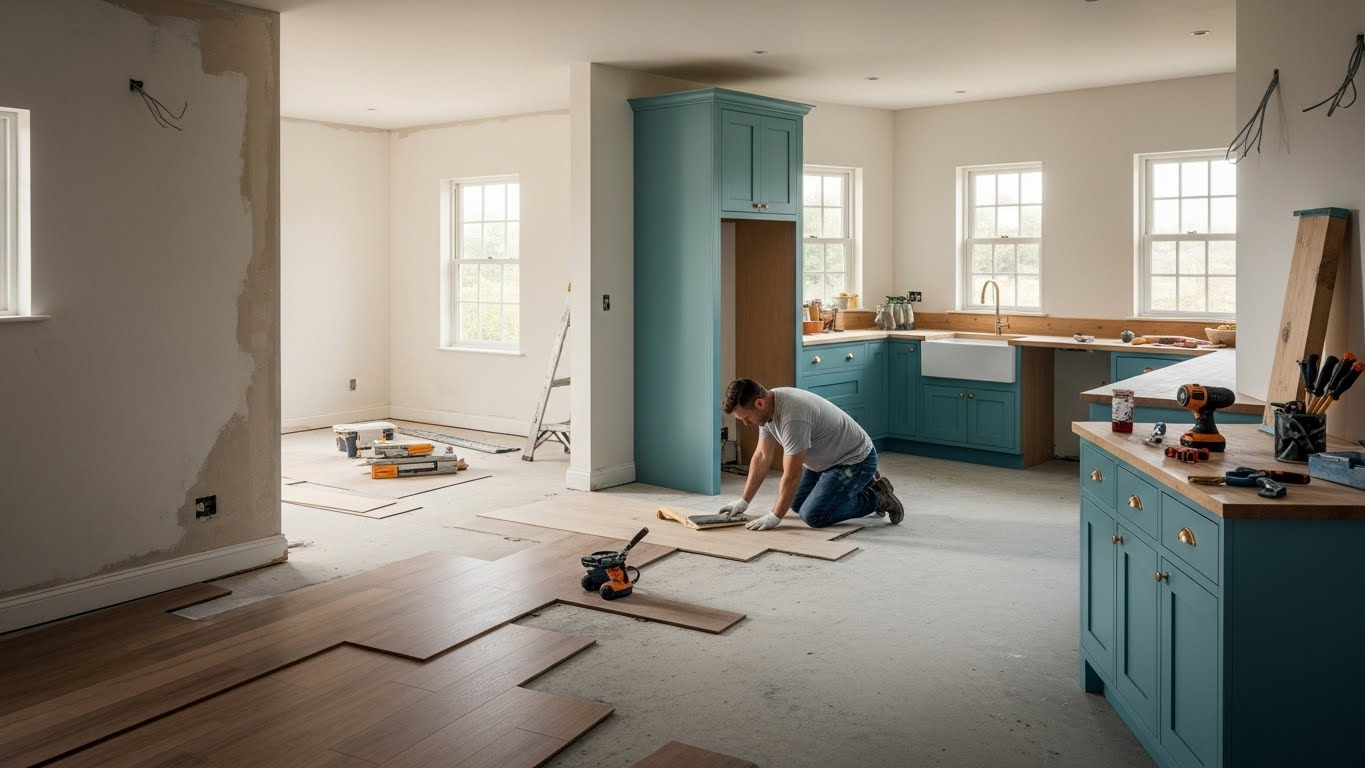
The average cost of renovating a house ranges between $15,000 and $200,000, based on the type and scale of renovation required. For a standard renovation, you can expect to pay an average of $15 to $60 per square foot of your home. More major renovations or adding a new structure could result in costs of $100 or more per square foot.
Renovating your home is one of the most effective ways to enhance its comfort, functionality, and overall value. Whether you plan to upgrade a single room or remodel the entire house, understanding the potential expenses is essential for proper budgeting. Many homeowners choose to work with professional construction estimation services to get a clear picture of material, labor, and permit costs before starting the renovation.
These services provide detailed insights that help you plan realistically, minimize unexpected expenses, and ensure your renovation stays on track financially. The total cost of a renovation depends on factors such as the size of the property, the type of improvements, and the quality of materials used. With accurate estimates and smart planning, you can achieve your renovation goals without exceeding your budget.
Cost by Project Scope:
|
Renovation Type |
Estimated Cost Range |
|
Minor Cosmetic updates |
$10,000 – $20,000 |
|
Medium renovation |
$20,000 – $75,000 |
|
Major home remodel |
$75,000 – $200,000+ |
Key Factors That Affect Renovation Costs
Many factors can affect the total cost of upgrading a home. Let’s take a look at the main ones.
1. Size of the House
Renovating a bigger house is often more expensive than renovating a smaller one. Because more materials and labor are needed, the price of remodeling a 3,000-square-foot home will be much higher than that of a 1,000-square-foot home.
2. Type of Renovation
Cosmetic Renovation: Covering painting, flooring, fixtures, and various minor updates. These are the least expensive renovations you can make.
Structural Renovation: This work is about demolishing part of a house, creating new rooms, or altering the space. You'll need to get permits and engineering plans, so it ends up costing more.
Systems Upgrade: Upgrading the electrical, plumbing, or HVAC in your home will cost more, but it is typically required for older properties.
3. Room-Specific Costs
The price to renovate some rooms is higher because the work can be more complex.
Kitchen Renovation
-
Average Cost: $15,000 – $50,000
-
High-End Remodel: $50,000 – $100,000
-
Renovating a kitchen is costly, mainly due to appliances, cabinetry, countertops, and plumbing.
Bathroom Renovation
-
Average Cost: $6,000 – $25,000
-
Luxury Remodel: $25,000 – $50,000
-
The work needed in bathrooms, such as plumbing, making them waterproof, and installing tiles, quickly raises the price.
Living Room or Bedroom
-
Average Cost: $5,000 – $15,000
-
Since they don’t have equipment like plumbing or flashy appliances, these rooms cost less to renovate.
Renovation Costs by House Size
The cost to renovate a home usually goes up the bigger the house is. Larger homes take more building materials and building work, so of course, they end up costing more. Below are examples of how much renovations can cost for houses of different sizes.
-
The 1,000 sq. ft. home costs between $15,000 and $60,000.
-
The 1,500 sq. ft. house will likely cost between $25,000 and $90,000.
-
The 2,000 sq. ft. home costs between $30,000 and $120,000.
-
The 3,000+ sq. foot home usually costs between $50,000 and $200,000 or more.
Breakdown of Common Renovation Expenses
Here are the average costs for each part of a home renovation:
Demolition ($1,000 – $5,000): Includes taking out walls, getting rid of old showers, floors, light fixtures, and cleaning up the mess.
Framing & Structural Work ($1,500 – $10,000): Includes necessary changes or fixes to the home’s structure, such as adding or taking away walls.
Electrical & Plumbing ($3,000 – $20,000+): Upgrading old wiring, putting in new circuits, or changing the pipes and fittings in your home.
Drywall & Insulation ($1,000 – $8,000): Used in repairing walls, building new areas, or making a building more energy efficient.
Flooring ($2,000 – $10,000+): The price can fluctuate based on what kind of tiles, hardwood, laminate, or carpet is used.
Painting ($2,000 – $6,000): Includes painting the walls and ceiling inside the house. Custom finishes or bigger rooms may end up costing you more money.
Cabinetry & Countertops ($5,000 – $20,000): Remodeling the kitchen and bathroom by replacing cabinets, countertops, and installing storage areas.
Appliances ($2,000 – $15,000): It consists of kitchen appliances, including ovens, refrigerators, dishwashers, and laundry appliances.
Fixtures & Fittings ($1,000 – $5,000): Covers things like bathroom handles, light switches, taps, and bathroom fixtures.
Permits & Inspections ($500 – $5,000): Most major renovations, such as rebuilding the house, plumbing, or electrical work, usually rely on local rules.
Labor vs. Material Costs
Typically, labor will make up 30% to 50% of the total cost, with materials covering the rest. If, for example, your renovation budget is $50,000:
-
Labor: $15,000 – $25,000
-
Materials: $25,000 – $35,000
Using professional companies can guarantee excellent work, but you may have to pay more. Compare prices and look into these businesses’ credentials before deciding to work with them.
Other Costs to Consider
1. Permit Fees
You often need a permit from the city if you’re making structural improvements, working on the electricity, or altering your plumbing. It is possible for permit fees to vary from $500 to $5,000 based on the work being completed and local standards.
2. Architect or Designer Fees
Major projects occasionally require hiring an architect or an interior designer. It can cost anywhere from $50 to $200 each hour, or 5% to 15% of the project’s budget.
3. Unexpected Repairs
It is common for older homes to have hidden mold, wiring that needs updating, or problems with the foundation. Make sure to keep at least 10% to 20% of your budget in reserve during any renovation.
How to Renovate a Home on a Budget
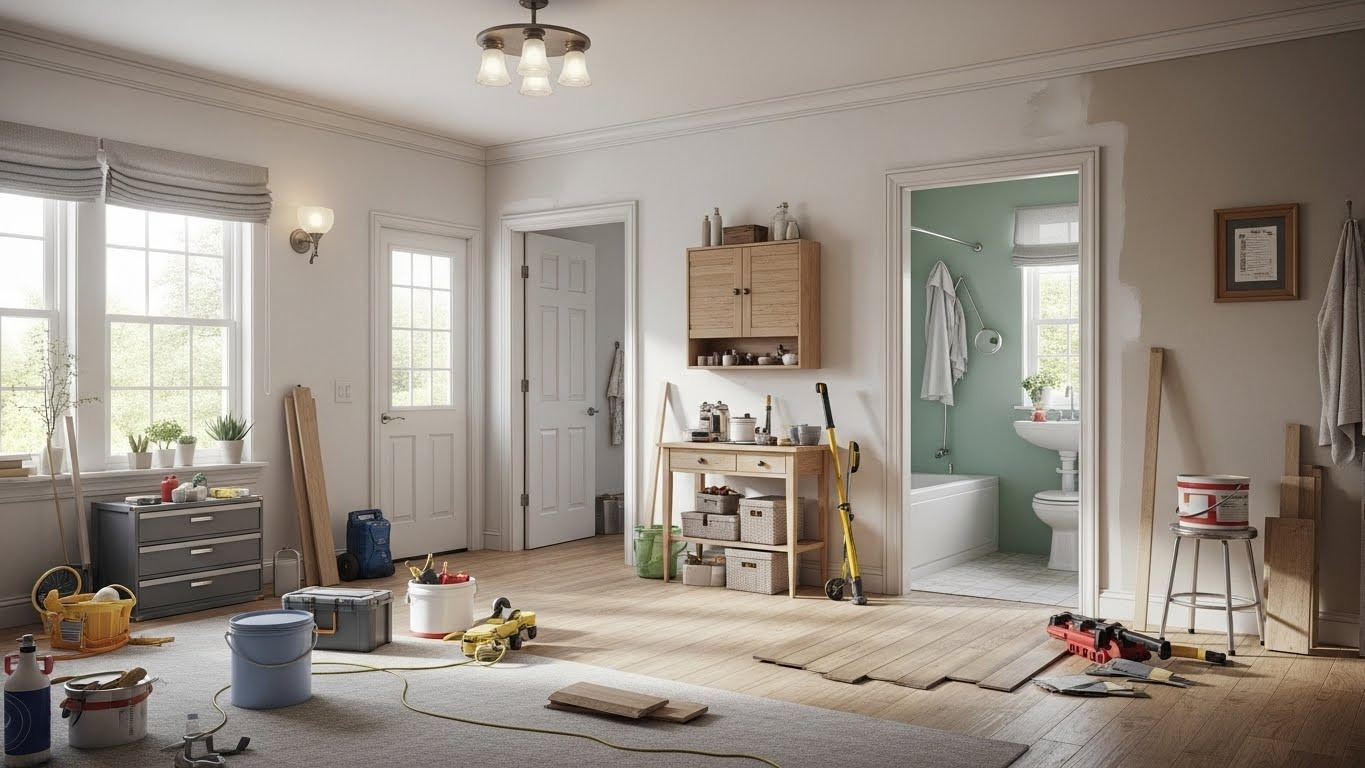
1. Create a Detailed Budget
Organise your money based on the different tasks you need to accomplish. Keep records of your expenses to avoid spending too much money.
2. Get Multiple Quotes
Make sure to check more than just one contractor before you decide. Compare the pricing and quality of service by obtaining three separate quotes.
3. Do Some Work Yourself
You may be able to avoid paying labor by doing basic work like painting, tearing out walls, or gardening.
4. Stick to Standard Materials
Selecting or importing special materials can lead to a rapid inflation of your project budget. Buy products that are standard in size and of good quality to avoid spending too much on fashion accessories.
5. Prioritize Needs Over Wants
Make sure the main repairs and updates are done first. You can look into luxury equipment afterward, once you can afford it.
Is Renovating Worth the Investment?
In many cases, yes. Renovations may help your home increase in value, become more efficient, and require fewer maintenance efforts in the future. Renovating the kitchen, upgrading the bathroom, or installing energy-efficient windows can give a good financial return when you sell. According to industry estimates:
-
A minor kitchen renovation can return 70–80% of the money you spend on it.
-
Bathroom remodels offer a 60–70% return.
-
New windows and better insulation bring down your power costs and make your home more attractive.
Final Thoughts
Renovating your home is a major investment in both your finances and emotions. It may cost only a few thousand dollars for simpler changes, but remodeling the entire house can run into hundreds of thousands. If you learn about the factors that change renovation costs, such as house size, the type of room you’re working on, and what’s needed for labor and materials, you will be able to stay within your budget.
To ensure your renovation is successful, plan well, research information, and work with skilled tradespeople. No matter if you are tackling one room or the whole house, taking the right approach can make your current place feel just right for you.

 English
 Arabic
 Spanish
 Portuguese
 Deutsch
 Turkish
 Dutch
Dutch
 Italiano
 Russian
 Romaian
 Portuguese (Brazil)
 Greek
Greek