


How Australian Businesses Are Gaining with Commercial Solar Installations
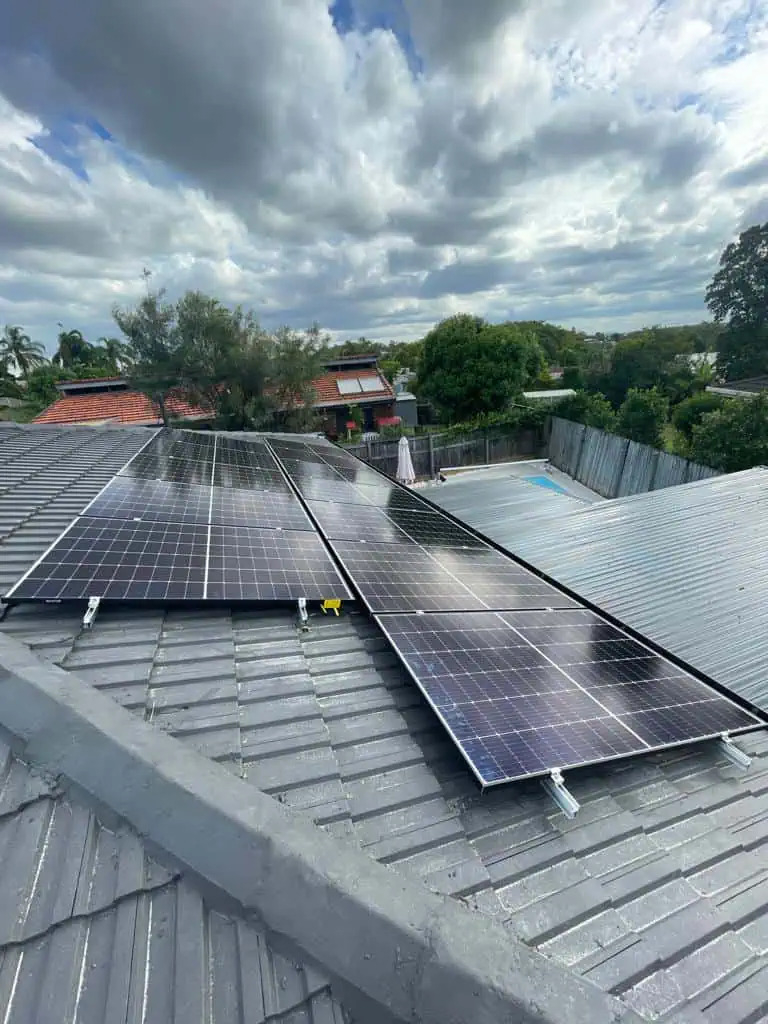
Rising electricity prices, pressure to meet sustainability goals, and the need to control operating costs are pushing Australian businesses to rethink how they consume energy. One solution is delivering powerful financial and operational benefits across all industries—Commercial Solar Installations.
From small offices and retail outlets to large factories and warehouses, Commercial Solar Installations are helping Australian businesses reduce electricity bills, increase profitability, and secure long-term energy stability. Solar is no longer just an environmental choice—it is now a strategic business investment with measurable returns.
In this detailed guide, we explore how Australian businesses are gaining with Commercial Solar Installations, how these systems work, their key benefits, the most common mistakes to avoid, and why Rise Solar is the trusted solar partner for commercial success.
Understanding the Growing Demand for Commercial Solar Installations in Australia
Australia has some of the highest electricity prices in the world and one of the strongest solar resources. This unique combination is driving rapid growth in Commercial Solar Installations across the country.
Key reasons behind this surge include:
- Rising grid electricity tariffs
- Government support for renewable energy
- Corporate sustainability commitments
- Long-term cost control strategies
- Increased reliability concerns with the grid
For most businesses, solar is no longer an optional upgrade—it is becoming an essential part of smart energy planning.
What Are Commercial Solar Installations?
Commercial Solar Installations refer to large-scale solar photovoltaic (PV) systems installed on business properties to generate clean electricity for commercial use. These systems are designed for:
- High daytime electricity loads
- Continuous business operations
- Strong financial returns
- Long-term durability
A typical commercial solar system includes:
- High-efficiency solar panels
- Commercial-grade inverters
- Mounting structures (roof, carport, or ground-mounted)
- Electrical protection & safety components
- Monitoring systems
- Optional battery storage
Unlike residential solar, Commercial Solar Installations are engineered for higher performance, larger energy output, and stronger ROI.
How Commercial Solar Installations Work
Understanding the working process helps explain why solar delivers such strong business gains.
1. Solar Energy Generation
Solar panels absorb sunlight and produce DC electricity throughout the day.
2. Power Conversion
Inverters convert DC electricity into AC power that can be used by commercial equipment and machinery.
3. On-Site Power Consumption
The business instantly uses the solar power to operate lighting, HVAC systems, machines, and office equipment.
4. Grid Export of Excess Power
Any unused electricity is exported to the grid, earning feed-in tariff credits.
5. Monitoring & Performance Optimisation
Advanced monitoring tracks output, detects faults, and ensures maximum efficiency.
This self-consumption model is what makes Commercial Solar Installations extremely profitable for Australian businesses.
How Australian Businesses Are Gaining with Commercial Solar Installations
Businesses across Australia are benefiting in multiple ways from Commercial Solar Installations. Here’s how they are gaining real, measurable advantages:
1. Significant Reduction in Electricity Bills
Electricity is one of the largest overheads for many businesses. Commercial Solar Installations typically cut power bills by 60%–90%, resulting in massive annual savings.
2. Fast and Reliable Return on Investment (ROI)
Most Commercial Solar Installations achieve full payback within 3–5 years, while continuing to generate free electricity for another 20+ years. This means decades of pure financial gain after the initial investment is recovered.
3. Protection Against Rising Energy Costs
Grid electricity prices in Australia continue to rise every year. Solar allows businesses to lock in low-cost energy and avoid the impact of future tariff hikes.
4. Strong Government Incentives
Australian businesses benefit from:
- Small-scale Technology Certificates (STCs)
- Instant asset write-off provisions
- Accelerated depreciation
- GST credits
These incentives greatly reduce the upfront cost of Commercial Solar Installations, boosting financial returns even further.
5. Improved Corporate Image & Sustainability
Solar-powered businesses strengthen their environmental reputation. This improves:
- Brand trust
- Customer loyalty
- Investor confidence
- Corporate ESG compliance
Sustainability is no longer a marketing trend—it’s a business expectation.
6. Increased Commercial Property Value
Buildings equipped with Commercial Solar Installations attract higher resale and leasing value due to lower running costs and long-term energy efficiency.
7. Low Maintenance & Long System Life
Modern solar systems require minimal maintenance and operate reliably for 25–30 years, offering businesses predictable, long-term savings.
Industries Benefiting the Most from Commercial Solar Installations
Some sectors gain exceptionally high returns due to heavy daytime energy usage:
- Manufacturing & industrial plants
- Cold storage & warehouses
- Hospitals & medical facilities
- Shopping centres & retail outlets
- Educational institutions
- Hotels & hospitality businesses
- Data centres & IT parks
- Office buildings
Any business operating primarily during daylight hours is an ideal candidate for Commercial Solar Installations.
Cost of Commercial Solar Installations in Australia
The cost of Commercial Solar Installations depends on system size, equipment quality, roof structure, and electrical requirements.
Average Commercial Solar Costs (After Rebates)
- 20kW System: $18,000 – $28,000
- 50kW System: $40,000 – $60,000
- 100kW System: $75,000 – $110,000
- 200kW+ System: Custom pricing
While the upfront cost may seem high, the rapid payback and long-term savings make solar one of the safest and most profitable investments for commercial properties.
Real-World Business Gain Example
A Brisbane-based manufacturing unit installs an 80kW Commercial Solar Installation:
- Installation cost after incentives: $78,000
- Annual electricity savings: $32,000
- Payback period: 2.4 years
- Estimated 25-year savings: Over $700,000
This example clearly shows the powerful financial gains possible with professionally designed commercial solar systems.
Common Mistakes That Reduce Gains from Commercial Solar Installations
To ensure maximum benefit, businesses must avoid these costly mistakes:
1. Choosing Low-Quality Equipment
Cheap panels and inverters degrade faster and reduce lifetime savings.
2. Incorrect System Sizing
Oversized systems waste capital, while undersized systems limit potential savings.
3. No Energy Usage Analysis
Without load analysis, solar generation may not match actual consumption.
4. Using Uncertified Installers
Poor installation affects safety, warranties, and system efficiency.
5. No Performance Monitoring
Undetected faults can silently reduce savings for months.
Avoiding these mistakes ensures your Commercial Solar Installations deliver maximum financial and operational gains.
Why Choose Rise Solar for Commercial Solar Installations?
Rise Solar is a trusted Australian provider of high-performance Commercial Solar Installations, delivering customised systems engineered for maximum savings, safety, and long-term reliability.
What Sets Rise Solar Apart?
- ✅ CEC-Accredited Designers & Installers
- ✅ Premium commercial-grade panels & inverters
- ✅ Detailed energy audits & ROI forecasting
- ✅ Complete approval, rebate & grid-connection handling
- ✅ End-to-end project management
- ✅ Advanced system monitoring
- ✅ Ongoing maintenance & technical support
- ✅ Transparent pricing & financing options
Every Commercial Solar Installation by Rise Solar is carefully planned to deliver long-term financial performance and peace of mind.
How Long Do Commercial Solar Installations Take?
Typical project timelines:
- Energy analysis & design: 1–2 weeks
- Approvals & documentation: 2–4 weeks
- Installation: 1–3 weeks
- Grid connection & commissioning: 1–2 weeks
Most Commercial Solar Installations are completed within 4–8 weeks, depending on size and approvals.
Frequently Asked Questions (FAQs)
1. Are Commercial Solar Installations suitable for small businesses?
Yes. Even small businesses with consistent daytime usage can achieve strong savings and fast ROI.
2. Do Commercial Solar Installations work during cloudy weather?
Yes. Solar panels still generate electricity in overcast conditions, though at reduced output.
3. Can excess solar power be sold back to the grid?
Yes. Surplus power is exported through net metering and credited on electricity bills.
4. How long do commercial solar systems last?
Solar panels typically last 25–30 years with minimal performance degradation.
5. Is battery storage necessary with commercial solar?
Not mandatory, but batteries increase energy independence, backup power, and long-term savings.
Why Now Is the Best Time for Australian Businesses to Invest in Commercial Solar Installations
Delaying solar adoption means:
- Continuing to pay rising electricity bills
- Missing valuable government incentives
- Losing years of potential savings
- Remaining vulnerable to future tariff increases
With high solar generation potential and falling equipment prices, now is the most profitable time for Commercial Solar Installations in Australia.
Strong Call-to-Action
⚡ Ready to Experience the Real Gains of Commercial Solar Installations?
Let Rise Solar design a high-performance Commercial Solar Installation tailored to your business energy needs, budget, and growth plans.
👉 Visit: https://risesolar.com.au
📞 Book Your Free Commercial Solar Assessment Today
Residential Solar: The Ultimate Solution to Rising Electricity Prices for Modern Homes

 English
 Arabic
 French
 Spanish
 Portuguese
 Deutsch
 Turkish
 Dutch
Dutch
 Russian
 Romaian
 Portuguese (Brazil)
 Greek
Greek