

Kids’ Hair Thinning: Understanding the Root Causes Early
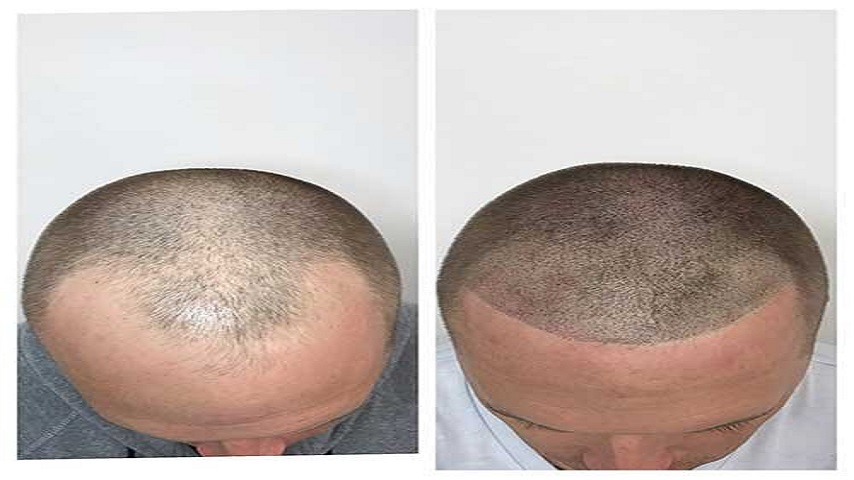
Hair thinning is often thought of as an adult problem, but many children experience it too—and parents may not notice until significant loss has already occurred. A child’s hair health is closely tied to their nutrition, habits, emotional well-being, and sometimes hidden medical conditions. Recognizing the early causes of hair thinning can prevent long-term damage, boost confidence, and ensure proper growth during crucial developmental years.
Understanding why thinning happens is the first step toward protecting your child’s hair and overall health.
What Does Hair Thinning in Kids Look Like?
Hair thinning in children may appear as:
- Gradually visible scalp
- Reduced ponytail thickness
- More hair left on pillows, combs, or clothes
- Uneven growth or patchy density
Unlike hair fall, which involves shedding from the root, hair thinning reflects weaker strands and slower follicle activity.
Common Root Causes of Hair Thinning in Children
There is rarely one single reason for thinning hair. Here are the leading factors parents often overlook:
1. Nutritional Deficiencies
Kids need adequate vitamins, minerals, and proteins for proper hair growth. When essential nutrients are missing, hair becomes weak and fragile.
Key deficiencies linked to thinning hair:
- Iron – supports oxygen supply to hair follicles
- Protein – forms keratin, the building block of hair
- Vitamin D & Zinc – regulate follicle activity and growth cycles
Picky eating habits can silently contribute to hair concerns.
2. Stress and Emotional Pressure
Children may not express stress like adults, but school expectations, extracurricular competition, or family issues can affect their physical health—including hair.
Stress disturbs the hair growth cycle, pushing more strands into the resting phase, which leads to noticeable thinning over time.
3. Poor Scalp Hygiene
Sweat, dirt, and product buildup clog hair follicles, weakening hair roots. Kids who play outdoors frequently, skip hair washing, or use heavy products may develop scalp issues like dandruff or inflammation, which hinder growth.
4. Excessive Heat and Tight Hairstyles
Tight ponytails, braids, rubber bands, or constant hair pulling can cause traction alopecia—a common cause of thinning in children. Heat styling and hot water baths also damage fragile hair shafts.
5. Hormonal Changes
As children enter early puberty, hormonal fluctuations may temporarily affect hair density. Girls, especially, may notice thinning during growth spurts or menstrual changes.
6. Medical Conditions
Certain underlying health concerns can trigger hair thinning in children:
- Alopecia areata – autoimmune patchy hair loss
- Thyroid imbalance – affects metabolism and follicle strength
- Scalp infections like ringworm – weaken follicles and cause patches
Medical diagnosis becomes crucial when thinning persists despite lifestyle improvements.
Signs Parents Should Never Ignore
Early detection leads to faster recovery. Look out for:
- Sudden visible scalp in certain areas
- Itching, redness, or flaking
- Slower hair growth than usual
- Persistent hair in hands while combing
- Noticeable change in hairstyle volume
If these signs appear consistently for a month or more, intervention is important.
How Early Action Helps
Addressing hair thinning early prevents:
- Permanent follicle damage
- Low self-esteem in growing children
- Progression into chronic scalp disorders
- Need for advanced or medicated treatments later
Simple routine modifications—balanced meals, gentle hair care, stress management, and scalp hygiene—can bring remarkable improvements when started on time.
Final Thoughts
Kids may not understand the changes happening to their hair, but parents can. Hair thinning in children isn’t a cosmetic concern—it’s often a signal that something in their body, diet, or routine needs attention. Identifying the root causes early can stop thinning before it becomes a long-term problem.
LLLT Explained: How Light Therapy Feeds Your Hair with Oxygen and Nutrients
How PRP Impacts Hair Growth and Thickness

 English
 Arabic
 French
 Spanish
 Portuguese
 Deutsch
 Turkish
 Italiano
 Russian
 Romaian
 Portuguese (Brazil)
 Greek
Greek