
The Digital Tollbooth: Analyzing Direct Carrier Billing Market Share
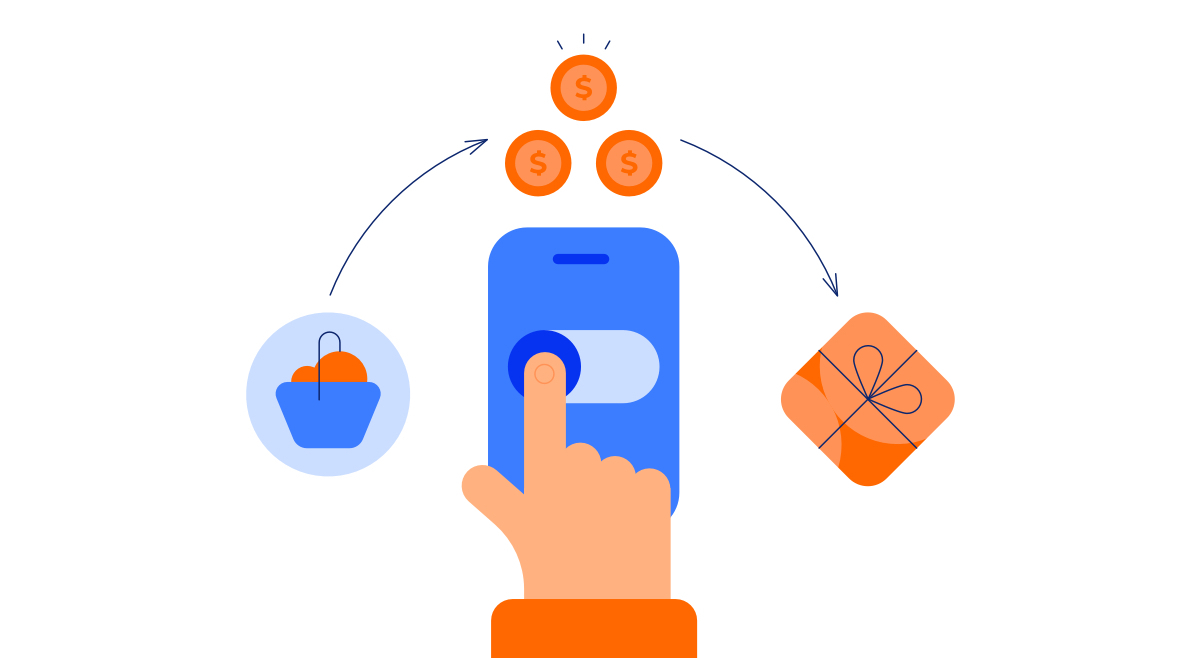
In the unique and strategically important world of mobile payments, market share is a key indicator of a company's ability to connect digital merchants with the billing systems of mobile operators. A detailed analysis of the Direct Carrier Billing Market Share reveals a landscape with a complex power structure. The ultimate power lies with the mobile network operators (MNOs), but the day-to-day market is often led by a handful of specialized technology companies known as DCB aggregators. Market share in this industry is measured by the total transaction value processed through a company's platform. Understanding this distribution of influence is crucial for any digital merchant looking to implement DCB, as it highlights the key partners who have the widest network of carrier connections and the most robust technology platform to facilitate these transactions on a global scale.
The market share landscape is dominated by a small number of specialized DCB aggregation platforms. These companies play a critical intermediary role. Instead of a digital merchant having to sign individual contracts and build technical integrations with hundreds of different mobile operators around the world, they can integrate once with an aggregator's platform, which in turn has all the pre-existing connections to the carriers. Companies like Boku and DOCOMO Digital (formerly Net-M) are major global leaders in this space, processing billions of dollars in transactions annually. Their market share is built on the breadth and depth of their carrier network, their reputation for reliability and security, and their relationships with the world's largest digital merchants, such as Google, Apple, and Spotify. These aggregators are the essential "plumbing" of the DCB industry.
While the aggregators are the key intermediaries, the mobile network operators (MNOs) are the ultimate gatekeepers and hold the most power in the ecosystem. Companies like Vodafone, Telefónica, Orange, and a host of other national carriers own the direct billing relationship with the end consumer. They decide which merchants and aggregators they will partner with, what the commercial terms (i.e., the revenue share) will be, and what types of content can be sold. The Direct Carrier Billing industry is projected to grow from 50084.7 USD Million in 2025 to 145058.58 USD Million by 2035, exhibiting a compound annual growth rate (CAGR) of 11.22 during the forecast period 2025 - 2035. The MNOs' share of this market comes from the significant percentage of each transaction that they retain as a fee, which is their primary motivation for offering the service. Their market position is protected by the massive barriers to entry of building and operating a mobile network.
A third, and increasingly important, group of players influencing the market are the major app stores, particularly Google Play and the Apple App Store. These platforms have become the primary storefront for the mobile digital content that is most often purchased with DCB. They have integrated DCB as a payment option directly into their platforms through partnerships with hundreds of carriers globally. This makes it incredibly easy for any app developer on their platform to offer DCB as a payment method without having to do a direct integration themselves. By controlling the primary point of sale for mobile apps and games, these app stores have become a major distribution channel for DCB transactions and hold a significant degree of influence over the entire ecosystem, further shaping the market share dynamics between the merchants, aggregators, and carriers.
Explore Our Latest Trending Reports:

 English
 Arabic
 French
 Spanish
 Portuguese
 Deutsch
 Turkish
 Dutch
Dutch
 Italiano
 Russian
 Romaian
 Portuguese (Brazil)